Grease Trap Repair: Maintenance, Cleaning, and Simple Fixes That Last

A well-maintained grease trap keeps your commercial kitchen safe, sanitary, and compliant. When problems appear—like slow drains or bad odors—acting fast prevents downtime, fines, and expensive plumbing repairs.

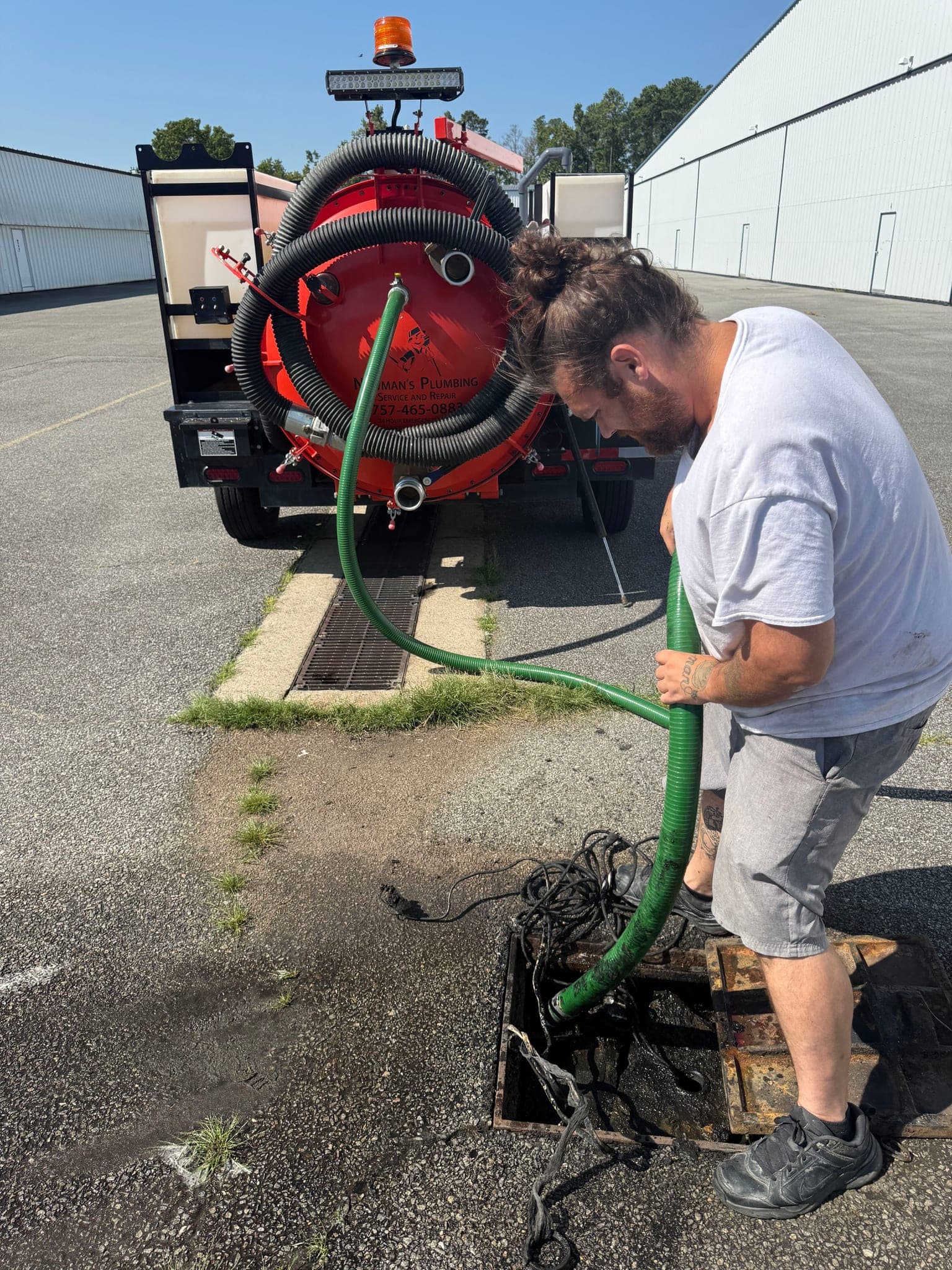
Newman’s Plumbing Service and Repair’s commercial plumbing team helps restaurants, hotels, and cafeterias maintain clean, efficient grease traps. We repair, replace, and service both indoor traps and large interceptors, keeping your business running smoothly and up to code.

In this guide, you’ll learn how grease traps work, how to spot warning signs, what repairs are most common, and when to call a professional. You’ll also get maintenance and cleaning tips to keep your system dependable year-round.

Understanding Grease Traps and Grease Interceptors

Grease traps and interceptors stop fats, oils, and grease (FOG) from reaching your building drains and the municipal sewer. They slow wastewater so solids settle and grease rises, keeping pipes clear and reducing the risk of backups and fines.

How Grease Traps Work

A grease trap sits on your drainage line and slows water flow, so grease separates from the wastewater. As water cools, grease floats to the top while heavier solids sink. Baffles inside the unit keep separated grease and solids from leaving with the outflow.

Empty and clean the trap regularly. Small indoor traps usually need cleaning every 30 days, but check local rules. If you skip maintenance, grease hardens in pipes, causing slow drains, foul smells, and costly repairs.

Tips to protect your trap:

  • Scrape food into the trash before washing.
  • Use screens on floor drains.
  • Keep a service log for pump-outs and cleanings.

Grease Trap vs. Grease Interceptor

A grease trap is compact and often installed under a sink or inside the building. It typically holds 10–30 gallons and suits small cafes, bars, or low-volume prep stations.

A grease interceptor is larger, usually buried outside or in a pit, and handles higher FOG volumes from full commercial kitchens. Interceptors may serve multiple sinks, dishwashers, and floor drains. They need specialized pumping equipment and trained technicians for service.

Key differences at a glance:

  • Capacity: trap = small, interceptor = large.
  • Location: trap = indoors, interceptor = outdoors/underground.
  • Service frequency: trap = more frequent (often monthly), interceptor = less frequent (often quarterly).
  • Use case: trap = low-volume kitchens; interceptor = high-volume restaurants, hotels, hospitals.

Pick the right option based on your kitchen size, grease output, and local inspection requirements.

Common Causes of Grease Trap Problems

Recognize the main signs of a failing grease trap and what happens when you skip regular maintenance. Knowing these helps you act quickly and decide what repairs or cleaning you need.

Signs of a Broken Grease Trap

Watch for slow drains, frequent backups, or water pooling around floor drains. FOG builds up in the inlet, outlet, or crossover and blocks flow. Smells are a clear warning. Rotten or sour odors near sinks, floor drains, or the trap lid mean trapped grease and food waste are decomposing.

Look for grease on the floor or floating solids in the trap’s access port. These show the trap can’t separate solids from wastewater anymore. High liquid levels in the first chamber often mean a clogged crossover or a full tank.

Record these signs and act quickly. Small fixes, like a pump-out or clearing the crossover, stop damage. Ignoring them often makes repairs costlier.

Effects of Neglected Maintenance

When you skip grease trap maintenance, FOG hardens on walls and pipes. That reduces the trap’s capacity and raises the chance of complete blockages in kitchen plumbing.

Neglect causes more frequent overflows. Wastewater can back up into sinks or onto the floor, creating slip hazards and health-code violations. Local agencies often fine businesses for missed cleanings.

Long-term neglect damages components like gaskets, baffles, and lids. Corroded parts let scum escape into the sewer, which can cause municipal sewer backups. Repair costs then include part replacement, pipe snaking, and possible sewer line repairs.

Regular cleaning every 1–3 months and following the “25% rule” keeps FOG levels manageable and prevents these costly problems.

Types of Grease Trap Repairs

There are common fixes that keep a grease trap working and compliant. The next sections cover clearing clogs, swapping seals, and fixing motorized components so your kitchen drains flow and your system meets code.

How Neglected Grease Traps Affect Water Quality

When grease traps overflow or leak, fats, oils, and grease enter public sewer systems and waterways. 

Research from Virginia Tech’s Department of Civil and Environmental Engineering shows that excessive FOG waste can reduce wastewater treatment efficiency and increase maintenance costs for municipalities.

Commercial kitchens play a major role in preventing this. Regular cleanings, proper FOG disposal, and using enzyme treatments help protect local water quality and reduce environmental impact.

Clog Removal and Component Fixes

Clogs form when fats, oils, grease, and food solids build up in the inlet, baffles, or outlet. A technician will first pump out the trap and inspect the chamber. They use hand tools, drain snakes, or hydro-jetting to break and remove hardened FOG and compacted solids.

Cleaning may include the inlet strainer, removing debris from baffles, and re-leveling internal parts. Small cracks in the body or loose fittings can be fixed with epoxy or mechanical fasteners if the metal or plastic is sound. For severe corrosion, replacement is the safer option.

Ask your service how they test the flow after cleaning. They should run water through the trap and check that the outlet is clear and that the trap retains grease as designed.

Seal and Gasket Replacement

Worn seals and gaskets cause leaks and odor problems. Technicians check the lid gasket, access cover seal, and any pipe flange gaskets for cracking, flattening, or missing material. They remove the old gasket, clean surfaces, and install the correct-size gasket or O-ring. 

Using compatible materials (neoprene, EPDM, or silicone) matters because oils and heat can degrade the wrong rubber. Tighten bolts to the manufacturer’s torque to avoid over-compression and future leaks.

After replacing seals, the service should pressure-test or run a water test to confirm no leaks. Keep records of gasket types and replacement dates so your grease trap repairs stay effective and compliant.

Repairing Motorized Units

Motorized units include automatic grease recovery devices and pumps that need electrical and mechanical checks. Start with a visual inspection: look for worn belts, corroded terminals, and blocked inlet screens.

Technicians test the motor, control panel, and sensors. Common fixes are bearing replacement, motor brushes, impeller cleaning, or replacing a malfunctioning pump. If the control board fails, replacing the module is often quicker and more reliable than repairing circuit traces.

For safety, ensure the technician follows lockout/tagout and confirms wiring meets local codes. Have the technician run a full operational cycle and show you the device working before they leave.

Professional Grease Trap Repair Services

Clear, dependable repair is essential when a grease trap fails. This section explains how to pick a skilled provider and when to call for emergency repair so your commercial kitchen keeps running and stays compliant.

Choosing the Right Service Provider

Look for a company that specializes in repairs for commercial grease traps, not just general plumbing. Check that technicians hold local licenses and carry insurance. Ask for proof of experience with interceptors of sizes and types like yours.

Request a written estimate that lists diagnosis, parts, labor, and testing. Prefer providers who use industry‑approved materials and explain whether repairs avoid full replacement. Read recent customer reviews and ask for references from other restaurants or facilities.

Confirm they follow local health and sewer rules and provide documentation after work, such as a service report and photos. Compare response times, warranties on repairs, and regular maintenance plans. A clear contract and a set schedule for follow‑up checks reduce future issues.

When to Seek Emergency Repair

Call for emergency repair if you have steady backups, strong sewer gas smells, visible leaks under the trap, or drains that flow very slowly despite recent cleaning. These signs mean the trap or its components—baffles, seals, inlet/outlet pipes—may be failing and can cause shutdowns or fines.

If the trap overflows into the kitchen or shows heavy corrosion, stop using affected sinks and contact a licensed grease trap service immediately. Describe the model, capacity, and last cleaning date when you call so the team arrives with the right parts and tools.

Insist on a same‑day response for health hazards. For less urgent but worsening issues, schedule a detailed diagnosis and a written repair plan that includes testing and compliance checks after the work.

Repair vs. Replacement: Making the Right Choice

Use clear signs and a practical plan to decide between fixing parts and installing a new unit. Focus on age, damage, performance, and the costs and steps involved in replacement.

Deciding When to Replace

Check the trap’s age first. If your grease trap is over 10 years old, corrosion or repeated failures often mean replacement is smarter than repeated repairs. Look for structural damage like deep rust, cracks, or a warped tank. 

These issues let grease and water escape and usually cannot be fixed long-term with patching. Measure performance: frequent backups, constant foul odors after cleaning, or slow drainage that returns within days are signs the unit is undersized or worn. 

Weigh cost: multiple service calls, new gaskets, and recurring cleanings can add up. If repair costs approach 50–60% of a new unit plus installation, plan for replacement and a proper installation that fits your kitchen’s flow.

Grease Trap Replacement Process

Start with a site assessment. A technician will confirm flow rates, tank size needs, and local code requirements for grease interceptors. They’ll recommend a new unit size and type based on your peak water usage and menu volume.

Next comes removal and prep. The old trap gets pumped, disconnected, and hauled away following waste and permit rules. 

Your drain lines and floor box get inspected and repaired as needed. Installation includes setting the new trap, connecting the inlet and outlet pipes, and sealing joints. A proper installation includes testing for leaks and flow, and the tech will show you access points for cleaning.

Finish with paperwork and a maintenance plan. You’ll get records for code compliance and a recommended cleaning schedule—often monthly to quarterly, depending on volume—to keep the new unit working and avoid early replacement.

Preventative Maintenance and Cleaning

Keep a clear cleaning schedule and check hardware often. Focus on how often you clean, how you remove grease, and simple steps to prevent clogs and odors.

Routine Grease Trap Cleaning

Clean your grease trap before grease reaches 25% of the tank’s depth or on a set schedule (every 30–90 days for many restaurants). Empty the trap, remove floating grease, and scoop out solids from the bottom. Use plastic or stainless tools to avoid damage.

After pumping, scrape baffles and walls to remove adhered grease. Rinse with minimal water—avoid hot water and strong chemicals that can push grease downstream or harm biological action. 

Record the date, volume removed, and any odors or damage. If you run a high-volume kitchen, increase cleaning to every 30 days or sooner. Hire a licensed service for large interceptors or if you see recurring backups. Keep receipts and manifests to meet local rules and avoid fines.

Best Practices for Long-Term Maintenance

Train staff to use sink strainers and scrape plates before washing. Limit pouring oils or coffee grounds down drains. These habits reduce grease and extend the time between cleanings.

Inspect lids, gaskets, and inlet or outlet piping each month. Replace cracked lids or worn gaskets to prevent spills and odors. Test water flow and watch for slow drains, which often mean downstream buildup and may require line-jetting.

Keep a maintenance log with dates, who cleaned, and service notes. Follow local codes for the disposal or recycling of collected grease. Routine checks and proper records help you avoid fines and keep your grease trap working well.

Keep Your Kitchen Compliant and Flowing

A reliable grease trap is essential for kitchen safety, code compliance, and smooth operations. Regular cleaning, seal checks, and professional service help avoid backups and costly interruptions.

Newman’s Plumbing Service and Repair specializes in commercial grease trap repair and maintenance throughout Hampton Roads. Our licensed technicians handle everything from gasket replacement to full interceptor installation, always meeting local environmental and health standards.

If your grease trap shows signs of trouble—or it’s time for routine maintenance—schedule a service today. Call our office or request an inspection online to keep your kitchen compliant, efficient, and ready for every rush.

Frequently Asked Questions

This section covers costs, service details, warning signs, and cleaning schedules for grease traps. It also explains how to find a local repair company and whether you can do repairs yourself.

What is the average cost to have a grease trap repaired?

Minor repairs like replacing a baffle, gasket, or T-pipe usually cost between $100 and $400.
Major repairs—such as pump or interceptor replacement, re-welding, or big plumbing jobs—can range from $500 to several thousand dollars, depending on size and access.

Labor rates differ by region, and emergency or after-hours work costs more. Always ask for a written estimate before work begins.

How can I find a reliable grease trap repair service in my area?

Look for licensed plumbing or FOG (fats, oils, grease) service companies with commercial kitchen experience.  Check reviews, ask other restaurants or facilities for recommendations, and make sure the company has insurance and permits.

Ask for references, proof of local environmental compliance, and a clear service contract listing scope, price, and disposal practices.

What are the common signs that a grease trap needs servicing?

Strong, persistent odors near sinks or floor drains are warning signs. Slow drains, backups, and sewage overflows show the trap is full or blocked. Visible grease or floating solids under the trap lid, and high wastewater levels, also mean it needs cleaning or repair.

Can I perform maintenance on my grease trap myself using a repair kit?

You can do simple tasks like skimming surface grease, removing solids, and checking baffles if the trap is small and easy to reach. Many municipalities require licensed technicians for full pump-out and disposal of FOG.

DIY repairs can cause damage, poor disposal, or code violations. If you try fixes, follow local rules, use proper PPE, and call a professional for anything beyond basic cleaning.

What is typically included in a commercial grease trap maintenance service?

Standard service includes opening the trap, legally disposing of grease and solids, and cleaning internal surfaces. Technicians inspect baffles, T-fittings, inlet and outlet pipes, and the lid gasket for damage. They check grease depth and provide a report.

Many services also offer preventive advice, enzyme treatments if requested, and documentation for your compliance records.

How frequently should I schedule cleaning for my grease trap?

Base cleaning frequency on trap size and kitchen activity. Many busy restaurants are cleaned monthly. Lower-volume kitchens clean every 2–3 months, while small operations often clean quarterly.

Follow the 25% rule: if grease or solids fill more than 25% of the trap, schedule cleaning right away. Check local regulations, as some areas require specific cleaning intervals.

SHARE OUR POST

REQUEST A SERVICE

Our Coupons

REQUEST A SERVICE

Your First-Choice Residential and Commercial Plumbers in Portsmouth, VA, & Beyond!

When plumbing problems interrupt your day, you don’t have time to gamble on service that falls short. You need a reliable plumber who delivers fast solutions and lasting results. That’s why choosing the right plumbing company in Portsmouth, VA, makes all the difference.


At Newman’s Plumbing Service & Repair, we’ve built our reputation on honesty, clear communication, and quality workmanship since 1994. Whether it’s residential repairs, grease trap services, or large-scale commercial plumbing, we handle every project with the same level of care.


From clogged drains to complex system replacements, our plumbers are ready to tackle it all. Make the smart choice today and partner with plumbers who put your comfort and satisfaction first. Call our Portsmouth, VA, plumbers for service you can count on!

Call Now Button